
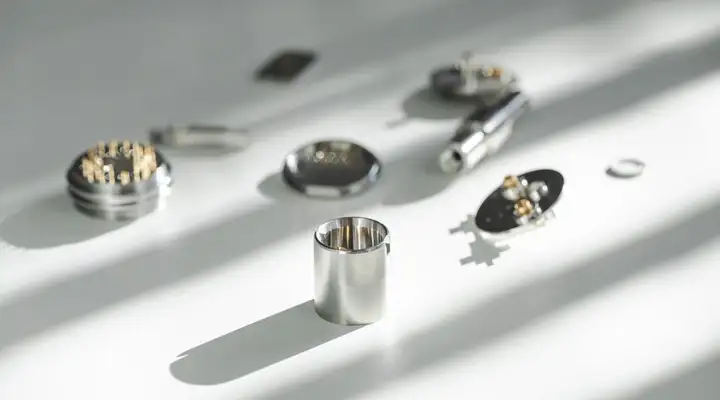
In the medical device industry, ensuring the safety and reliability of the equipment used is of utmost importance. Hermetic feedthroughs play a crucial role in maintaining the integrity of medical devices, preventing contamination, and ensuring optimal performance. In this article, we will explore the importance of hermetic feedthroughs for medical devices, focusing on safety and reliability.
What are Hermetic Feedthroughs?
Hermetic feedthroughs are specialized components used in medical devices to provide a sealed electrical or fluid connection between the inside and outside of the device. These feedthroughs are designed to maintain a hermetic seal, preventing any leakage of fluids or gases that could compromise the functionality of the device.
Why are Hermetic Feedthroughs Important for Medical Devices?
Hermetic feedthroughs are vital for ensuring the safety and reliability of medical devices for several reasons:
- Preventing Contamination: Hermetic feedthroughs create a barrier that prevents contaminants from entering the device, ensuring that the internal components remain sterile and unaffected by external factors.
- Ensuring Longevity: By maintaining a hermetic seal, feedthroughs help extend the lifespan of medical devices, reducing the risk of component failure or malfunction.
- Enhancing Performance: Hermetic feedthrough enables the precise transmission of electrical signals or fluids, ensuring accurate and reliable operation of the device.
- Compliance with Regulatory Standards: Many regulatory bodies require medical devices to use hermetic feedthroughs to meet stringent safety and quality standards.
Safety Considerations for Hermetic Feedthroughs
When selecting hermetic feedthroughs for medical devices, it is essential to consider the following safety factors:
- Material Compatibility: Ensure that the materials used in the feedthroughs are compatible with the substances that will be passing through them to prevent any chemical reactions or contamination.
- Sealing Integrity: Verify that the hermetic seal of the feedthrough is reliable and can withstand the conditions it will be exposed to during use.
- Biocompatibility: For medical devices that come into contact with the human body, ensure that the feedthrough materials are biocompatible to prevent adverse reactions.
Reliability Testing of Hermetic Feedthroughs
To ensure the reliability of hermetic feedthroughs, manufacturers conduct rigorous testing procedures, including:
- Leak Testing: Testing the feedthroughs for any leaks that could compromise the hermetic seal.
- Pressure Testing: Subjecting the feedthroughs to high-pressure conditions to ensure they can withstand the internal pressure of the medical device.
- Temperature Cycling: Exposing the feedthroughs to extreme temperature variations to assess their performance under different environmental conditions.
By conducting these tests, manufacturers can guarantee the safety and reliability of hermetic feedthroughs used in medical devices.
In Conclusion
Hermetic feedthroughs play a crucial role in ensuring the safety and reliability of medical devices. By providing a sealed connection that prevents contamination and maintains device integrity, these components are essential for the proper functioning of medical equipment. When selecting hermetic feedthroughs, it is crucial to consider safety factors such as material compatibility, sealing integrity, and biocompatibility. Through rigorous reliability testing, manufacturers can guarantee the quality and performance of hermetic feedthroughs, ultimately contributing to the overall safety and reliability of medical devices.
More Stories
What Salesforce Consultants Do and Why Their Expertise Matters
Why Brand Consistency Matters Across Every Website Page
Why Sustainable Fruit Farming Matters for the Food on Our Tables