
Fresh strawberries, raspberries, blueberries, and asparagus are often enjoyed for their flavour and convenience, but each crop depends on careful planning long before it reaches the shelves. From soil and water management to pollination and packaging, modern fruit farming has an important role to play in protecting natural resources while producing high-quality seasonal food.
Sustainable farming is not simply about reducing environmental impact. It is also about creating resilient growing systems that can continue to provide excellent produce for years to come.
What Sustainable Fruit Farming Looks Like
Sustainable fruit farming takes a long-term view of how food is grown. It balances productivity with responsible use of land, energy, water, and materials, while supporting wildlife and the people who work on the farm.
For soft-fruit growers, this may involve carefully monitoring crops, using water efficiently, protecting soil health, and creating better conditions for beneficial insects. These steps can support the quality, freshness, and consistency consumers expect from British-grown produce.
Supporting Pollinators and Wildlife
Pollinators are essential to many fruit crops. Bees, hoverflies, and other insects help plants produce the fruit we enjoy, so creating a farm environment where they can thrive is an important part of responsible growing.
Creating Space for Nature
Wildflower areas, hedgerows, and wildlife corridors can provide shelter and food for insects, birds, and small mammals. These features also help connect habitats across the wider landscape.
On a fruit farm, supporting biodiversity can work alongside commercial production. A healthier local ecosystem can contribute to more balanced growing conditions and help protect the natural environment surrounding the farm.
Using Crop Monitoring Carefully
Modern farming increasingly uses monitoring and data to understand what crops need at different stages. By checking plant health, weather conditions, and pest activity, growers can make more informed decisions about irrigation and crop care.
This targeted approach can help reduce unnecessary inputs while ensuring crops receive attention when it is most useful.
Using Water and Energy More Efficiently
Water is vital for growing fruit, particularly during dry periods. However, it must be managed responsibly. Rainwater harvesting, efficient irrigation systems, and regular checks for waste can all help growers use water more carefully.
Energy use also matters. Farms may look at practical ways to reduce their footprint, such as using renewable energy, improving equipment efficiency, and reviewing how produce is packed and transported.
These choices may happen behind the scenes, but they contribute to a more thoughtful food supply chain.
Why Seasonal, British-Grown Produce Is Valuable
Choosing produce grown in season can offer several benefits. Fruit harvested closer to home may spend less time travelling before it reaches retailers, helping it arrive in good condition. Seasonal growing also connects consumers more closely with the natural rhythm of the year.
British strawberries, for example, are strongly associated with warmer months, while fresh asparagus is a much-anticipated part of the spring season. Buying these crops when they are naturally available is a simple way to enjoy them at their best.
Growers such as New Forest Fruit Co demonstrate how innovation, careful growing practices, and respect for the surrounding environment can work together to produce exceptional soft fruit and asparagus.
Freshness Begins at the Farm
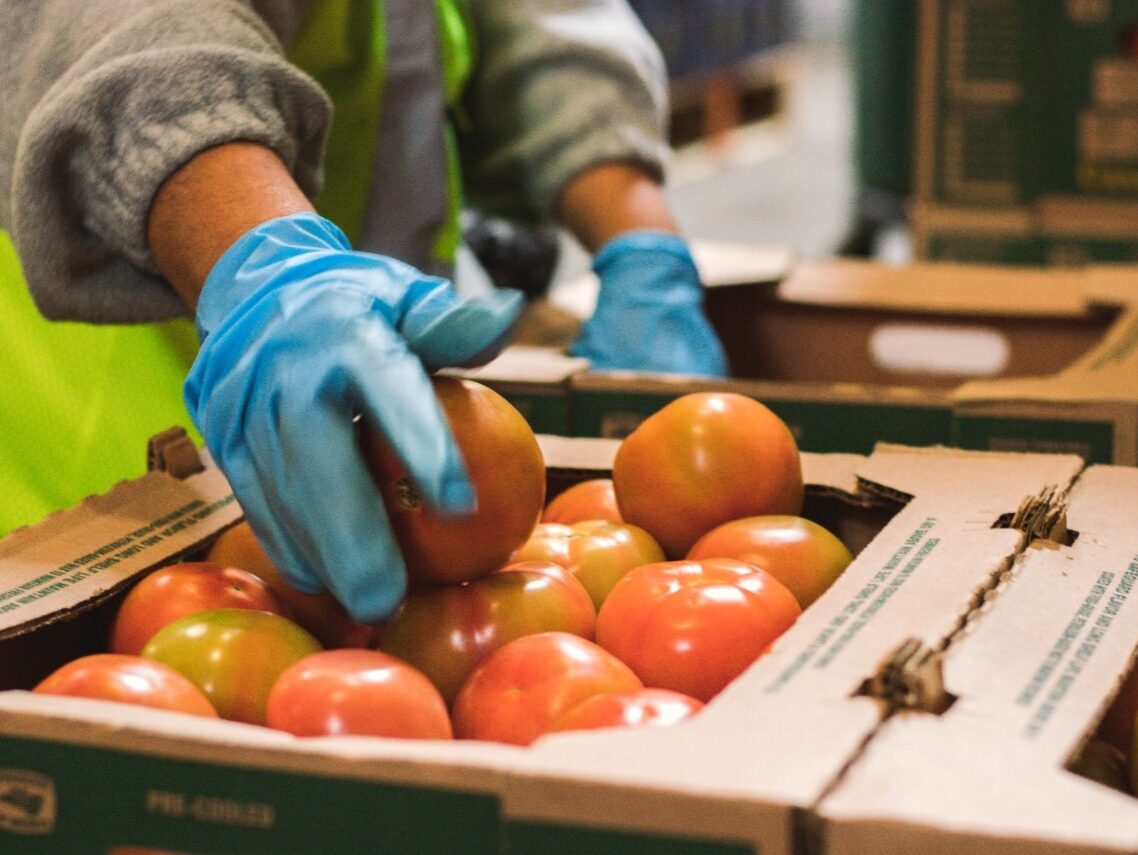
Quality fruit needs to be handled carefully from the moment it is picked. Timing is crucial: produce should be harvested when it has developed good flavour, then packed and moved efficiently to help maintain freshness.
Careful Picking and Packing
Soft fruit is delicate, so gentle handling is essential. The way berries are picked, graded, and packed can affect their appearance, shelf life, and eating quality.
Good packaging should protect the fruit during transport while also considering material use and waste. As packaging technology develops, growers and retailers continue to look for ways to improve protection without using more material than necessary.
Reducing Food Waste
Fruit that is bruised or overripe can be wasted if it is not managed quickly. Better harvesting schedules, storage, and supply-chain coordination can help reduce this risk.
At home, consumers can also reduce waste by storing berries correctly, checking them regularly, and using ripe fruit in smoothies, desserts, sauces, or breakfast dishes.
FAQ
What is sustainable fruit farming?
It is an approach to growing fruit that aims to produce quality crops while using resources responsibly, protecting nature, and supporting long-term farm resilience.
Why are pollinators important for fruit?
Many fruit plants rely on insects such as bees to transfer pollen. Healthy pollinator populations help support successful crop production.
Is seasonal fruit usually fresher?
Seasonal produce grown closer to where it is sold may spend less time in transit, which can help it arrive in good condition. Freshness still depends on harvesting, handling, and storage.
How can I make soft fruit last longer at home?
Keep berries cool, avoid washing them until you are ready to eat them, and remove any damaged fruit promptly to prevent spoilage spreading.
Conclusion
Sustainable fruit farming brings together practical innovation and environmental responsibility. By protecting wildlife, managing water and energy carefully, reducing waste, and handling crops with care, growers can help deliver fresh seasonal produce while safeguarding the land for the future.
More Stories
What Salesforce Consultants Do and Why Their Expertise Matters
Why Brand Consistency Matters Across Every Website Page
5 Mistakes UK Startups Make When Setting Up International Payments (And How to Avoid Them)